
Why Paris is an excellent choice for a student art and design tour
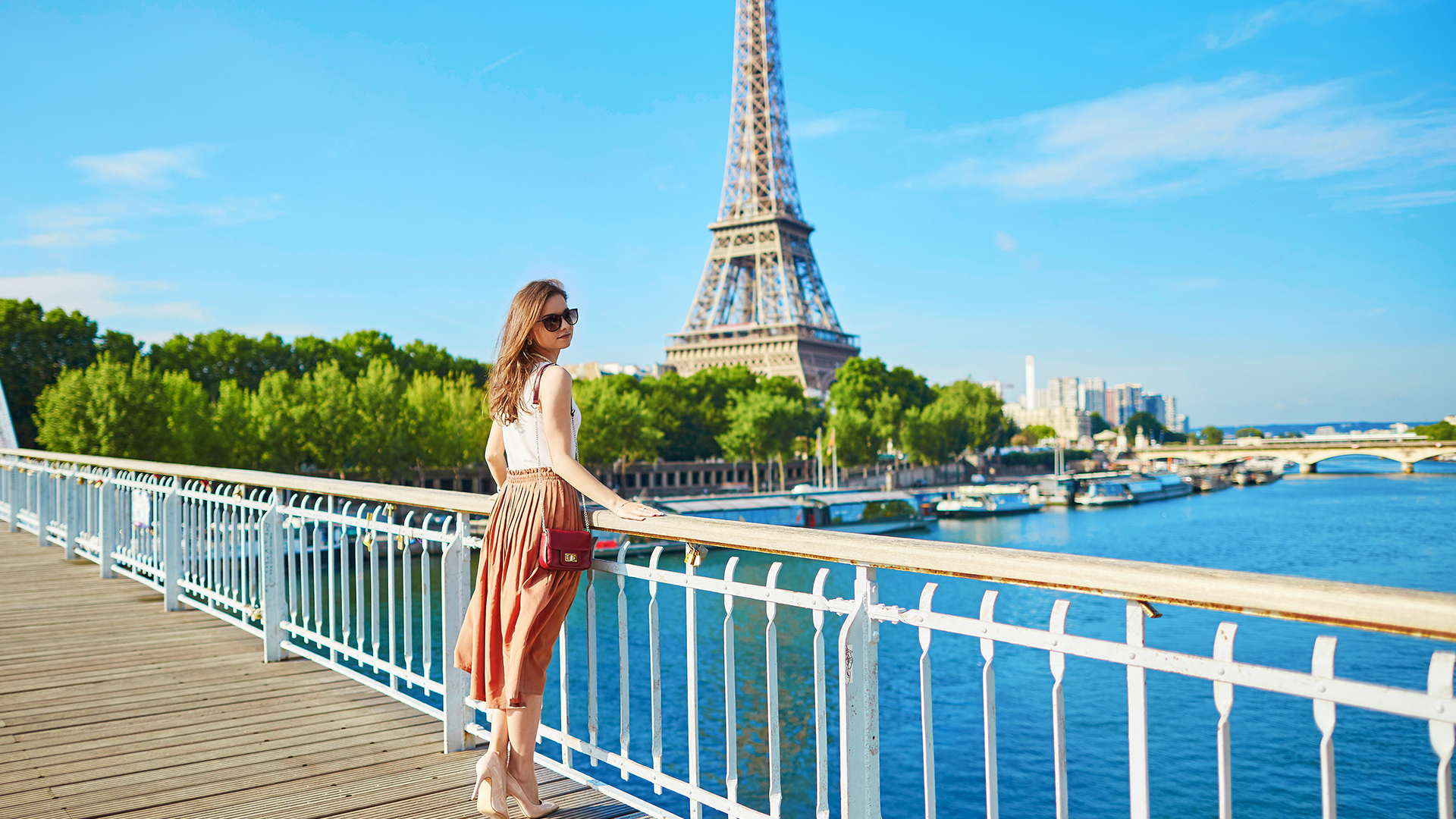
Paris holds a unique place in the world of creativity. It is one of the best cities for a student to study a Renaissance masterpiece, walk through a revolutionary architectural structure, and observe high-fashion tailoring — all in one day.
For students specialising in painting, sculpture, graphic communication, or textiles, Paris provides an incredible experience that enhances their subject learning. Seeing the works they study in textbooks, standing in the places where art history was made, and drawing inspiration from the masters is the perfect start for creative growth.
In this blog, we will walk you through the key places and experiences that make student trips to Paris an invaluable investment, showing how the city serves every element of your Paris art and design curriculum.
The history of art and design in Paris
Paris’s status as a creative centre is built on a history of patronage, innovation, and rebellion. For over three centuries, the city served as the European gold standard, dictating trends in fine art, architecture, and luxury design worldwide.
Understanding this unique history, the struggle between the formal rules of the past and the groundbreaking ideas of modern artists, is key for students to appreciate the collections found in the art galleries in Paris. The stories of how movements like Impressionism and Cubism began here in the 1860s are essential for students to grasp before they even step inside a museum.
The foundation
The creative authority of Paris began with the French monarchy, which established the powerful Royal Academies at various times through the 17th century. These art schools taught strict rules of Neoclassicism, a cultural movement from the 18th and 19th centuries that emphasised perfect symmetry, proportion, and classical anatomy.
It ensured that French art and architecture set the highest standard for technical skill in Western culture. For students, this foundation is evident in landmarks such as the Arc de Triomphe and the early Louvre Palace. The commitment to structure provides students with a solid foundation for studying the technical excellence required across all Paris art and design disciplines.
The urban transformation
The mid-19th century brought a massive city renovation led by Baron Haussmann. This was arguably the most significant urban design project in history, creating the wide boulevards and distinctive apartment blocks that define Paris today.
The project was a revolutionary blend of aesthetics and engineering. It introduced modern infrastructure like centralised sewer systems and gas street lighting, earning the city its name, "The City of Light", which is still referred to today.
Haussmann’s work taught the world how to create a grand, cohesive urban environment. For students of art and design, it showcases how a single design philosophy can be applied across a massive scale.
This ordered, elegant urban setting also became the ideal canvas for the Impressionists, who sought to capture the new, stylish life on the streets.
The revolutionary shift
Despite the strict rules taught in the Academies, artists began to challenge the traditional system. The Impressionists (Monet, Renoir) pioneered a radical shift in Paris art in the 1860s by leaving their studios to paint outdoors, focusing intently on light, colour, and atmosphere. With a more scientific approach to colour theory, it was not just a change in style; it was an innovative change in how we see the world through artistic pieces.
This creative energy attracted artists from all corners of the globe, including Picasso, Van Gogh, and Modigliani, who formed influential communities in areas such as Montmartre, a historic hill and former bohemian village, particularly well known as the home of Impressionists and Cubists.
Because of this influx of world-renowned artists, Paris became the global meeting place where new, revolutionary ideas like Cubism and Surrealism were born, creating a dynamic environment where all disciplines, from painting to fashion, pushed boundaries.
The rich history, from strict technical rules to constant avant-garde innovation, is why Paris remains a magnet for every creative professional.
Why is Paris such a good destination for a student art and design trip?
Choosing Paris is choosing a direct connection to the history and future of art and design. The city offers a depth of study unparalleled by many other global destinations, making it one of the highest-impact destinations for students to expand their learning. Here are some of the many reasons you would consider Paris as the location of your next student art and design tour.
Seeing works of art in person
There is simply no substitute for standing before a Monet or a Roman sculpture. In Paris, students move beyond flat textbook images to analyse crucial elements that define quality art, such as composition, colour theory, and value.
When viewing an Impressionist painting, students can analyse the actual texture of the paint and the almost scientific use of colour to capture light, which are essential lessons for modern-day painters and graphic designers.
There isn’t anything quite like standing next to a marble sculpture to grasp the true scale, material choice, and anatomy that inform 3D design and figure drawing. This experience instantly elevates and sharpens visual literacy, an important skill for all creative careers, transforming abstract knowledge into tangible understanding.
Academic tradition and multicultural exchange
Paris has always been the ultimate melting pot, attracting masters and students from every country around the world since the 17th century. This atmosphere of international creative competition has helped to breed innovation. The city hosts prestigious institutions such as the École des Beaux-Arts (a historic art school focused on a more classical art curriculum) and Parsons Paris (offering more contemporary and international design programmes).
Students on tour are exposed to centuries of French academic tradition, which promotes technical excellence and precision, alongside modern global influences. This exchange accelerates their understanding of contemporary trends, providing a robust, challenging, and future-focused environment for growth that goes far beyond any single classroom.
Paris as an academic case study
The city's architectural history, from the verticality of Gothic (Notre Dame) to the balanced symmetry of Neoclassicism (Arc de Triomphe) and the bold lines of Modernism (Centre Pompidou), is visible everywhere. Students of art and design learn how centuries of history directly inform current practice.
For example, the precise, organised street layouts influence everything from urban planning to retail design. This constant exposure to high-level, historical industrial and urban aesthetics turns the entire city into a 24/7 art and design classroom that can help inspire students in their future careers.
The Pillars of Paris Art and Design
There are countless places in Paris to visit that would benefit students who are studying art and design. While we cannot list them all, here are a few institutions that are essential for building on core principles studied in the classroom, from drawing fundamentals to advanced colour theory and beyond.
The Louvre Museum
One of the world's largest and most visited art museums. It is centrally located in Paris, France, on the Right Bank of the Seine River, in the 1st arrondissement.
The Louvre offers a chronological study of human creativity, essential for students focused on drawing and classical form. The collection of Greek and Roman sculpture (such as the Venus de Milo, sculpted by Alexandros of Antioch) provides ideal, static models for studying anatomy, the human form.
These are fundamental skills for figurative art, fashion illustration, and 3D modelling. Examining masterpieces by the Italian and Dutch Masters offers direct lessons in composition, perspective, and the use of light and shadow, which are essential to all visual communication.
Musée d’Orsay
Housed in a beautiful former Beaux-Arts railway station, the Musée d'Orsay focuses on the period 1848–1914 and features the world's best collection of Impressionism.
The works of Monet and his contemporaries demonstrate colour theory in action. Students observe how broken brushstrokes and unmixed colours are used to capture light and atmosphere, an important area of study for painting and any creative discipline relying on colour application. The painting “Impression, Sunrise” by Claude Monet is an excellent example of these brush strokes and unmixed colours.
The museum’s extensive Decorative Arts section connects artistic movements directly to furniture, objects, and interior design, such as the naturally curved armchairs by Hector Guimard, which have no straight lines in favour of fluid, natural forms.
Musée de l’Orangerie
The Musée de l'Orangerie, home to Claude Monet’s large Water Lilies murals, offers a lesson in environmental art and spatial design. The rooms were built specifically for these canvases.
Students can analyse how the artist controlled the viewer’s experience through monumental scale and specific architecture. This makes the Orangerie highly relevant for students studying installation art and environmental graphics.
Art and design in Paris beyond the museums
While classic museums are essential for foundations, students also need to be exposed to the everyday art and design on the streets of Paris. The city offers a dynamic, living creative pulse that directly informs current trends in graphic design, fashion, and urban culture.
Street art in the city
Paris’s street art scene can teach lessons in contemporary visual communication and public art. Rather than viewing only historical works in a framed setting, students can observe art that interacts with the urban environment and addresses modern social issues.
The 13th arrondissement is a key destination, found on the Left Bank of the Seine River, where the city has collaborated with local and international artists (such as Shepard Fairey, known as OBEY) to create stunning murals on high-rise buildings. A must-see is the “Liberté, Égalité, Fraternité" by Shepard Fairey, which you can find at 141 Boulevard Vincent Auriol.
This area demonstrates how large-scale graphic and fine art can be integrated into the architecture of a modern city. Observing these works offers students insight into scale, public interaction, and narrative design.
Design districts and retail parks
For students of graphic design, branding, and fashion, walking the creative districts is a fantastic experience. Neighbourhoods like Le Marais and Canal Saint-Martin have many examples of contemporary retail aesthetics for students to observe.
Le Marais, in particular, is a hub for avant-garde boutiques, vintage stores, and design concept shops (like Merci), often surrounded by historic architecture. This blend teaches students how modern branding and display design can be mixed with a historical context.
The Canal Saint-Martin area showcases a more bohemian, sustainable style, highlighting the current focus on ethical and local design, which is a great case study for understanding conscious consumerism and retail design trends.
Are you ready to plan your students' new art and design tour to Paris?
Paris offers an educational depth unmatched by any other city. It provides the essential foundations of classical art, the critical lessons of modern design, and a constant source of contemporary inspiration, all within a single city environment. It is simply the best investment you can make in your students’ art and design careers.
However, organising an intensive art and design tour requires a range of travel components and visits. This is where our expert team at StudyLink Tours can help you.
We simplify your tour from preparation at the start to the end of your trip and everything in between. We help with:
- Preparation: We handle all the intricate planning, from designing a bespoke itinerary that matches your curriculum needs to securing comfortable travel arrangements and organising trusted accommodations.
- Execution: Once the tour begins, our support continues with our Paris city representative providing in-destination support, and a 24/7 support number is looked after by our in-house team.
To design your curriculum-focused student trip to Paris, get in touch with us or request a quote today!

