
6 Places to visit when on a student media and film tour in Berlin
For students of film and media, Berlin is much more than a historical capital. It is the birthplace of modern cinematic language and the centre for contemporary German media. From silent film masterpieces to cutting-edge news reporting, the city offers an education that jumps right off the screen.
In this guide, we will go over why Germany's capital is the perfect destination and highlight six essential places to visit on your next educational trip.
The benefits of film and media studies in Berlin
Choosing Berlin as a destination for film and media studies has many advantages. No other city mixes cinematic history with the tension of modern political media as perfectly as this one. The learning here sets students up for success whether they pursue careers in film theory, journalism, or practical production.
The legacy of German expressionism
Berlin’s film history is foundational to global cinema. In the 1920s, the city was the capital of German Expressionism, a movement that forever changed filmmaking. Films like “The Cabinet of Dr Caligari” and “Metropolis” used dramatic set designs, shadows, and psychological storytelling to reflect the era's social anxieties.
"The Cabinet of Dr Caligari" reflected post-war anxieties about people's distrust of authority and the breakdown of order through its chaotic sets and the story of an influential figure manipulating the innocent.
"Metropolis" tackled the fear of dehumanisation by industry and class conflict by highlighting a separated society where workers are slaves to massive, oppressive machines.
Every film student studies this visual style, making Berlin the key place to see its origins.
Media and propaganda
Berlin’s more recent history, especially the Cold War era, gives students the opportunity to study the role of media in politics and propaganda. The city was physically split by a wall for decades, forcing two distinct media cultures (East and West Germany) to develop.
Students can analyse how radio, television, and newspapers were used to shape public opinion and control narratives. They did this by framing stories to guide interpretation and agenda-setting to decide which issues receive coverage, thereby controlling the context of the information people had access to.
This context is a valuable lesson for anyone studying censorship, media effects, and political communication. It can also help students understand and recognise bias and misinformation in the media worldwide today.
Modern production
Today, Berlin is a massive hub for broadcasting, news, and digital media. It hosts the world-famous Berlinale International Film Festival, one of the most prestigious annual film festivals, held every February, cementing its status as a significant player in contemporary film.
By visiting the city, students move beyond theory to witness modern media production up close, connecting historical context directly to current industry practice.
The Historical Pillars of Film Studies Berlin
To truly appreciate today’s media, students must first understand the historical weight of film studies in Berlin. The history of German cinema, particularly the period dominated by the legendary UFA studio, introduced significant filmmaking techniques, such as innovative set design and complex camera movements. For example, the unchained camera, which is a complex camera movement system using dollies and cranes to create a fluid, subjective point-of-view. This technique is still used in film production today.
German cinema was predominantly built in studios and museums, both of which students are able to visit when on a film and media tour in Berlin. This serves as the physical bridge between the silent film era and the current digital production landscape, making it a non-negotiable stop for any college tour.
The must-visit places on your college media studies trip to Berlin
Our college film and media studies trips to Berlin are built to give students practical exposure across all media areas, from broadcasting and communication to historical context and location scouting. Here are six fantastic options for places to visit when on a film and media tour:
Filmpark Babelsberg / Studio Babelsberg
Located just outside Berlin in Potsdam, Babelsberg is where film history began. It is actually the oldest large-scale film studio in the world, founded in 1912, long before Hollywood's big studios started.
For film and media studies students, visiting Babelsberg is like walking through cinema history. Legendary directors like Fritz Lang filmed Metropolis (1927) here. Amazingly, the studio is still working to this day! It hosts major international blockbusters and German TV shows, like “The Matrix Resurrections” and “The Hunger Games: Mockingjay”
A tour of Filmpark Babelsberg helps students understand the huge scope of film production. You can walk through old outdoor sets, see original props, and watch stunt shows that explain the technical magic of movies.
Seeing the mix of historical stages and new digital effects studios shows students the full evolution of production design, from the silent movies to the current digital age.
Deutsche Kinemathek
This museum, located in the modern Sony Centre complex, is the main archive of German visual culture. It is a great option for a stop during a film and media tour to Berlin.
The museum guides students through more than 100 years of German film and television. You can explore the dramatic set designs of Expressionism, like a reconstructed set from the film “The Cabinet of Dr Caligari", which featured wildly non-realistic angles and distorted perspectives that were painted onto the walls and floors to visually manifest psychological distress.
A highlight is the permanent show about Marlene Dietrich, one of the highest-paid actresses of the 1930s-1940s, and an anti-Nazi activist during the Second World War. The museum features her costumes, scripts, and personal items. It is a great way for students to glimpse how the film and media stars of the past impacted their communities.
Rundfunk Berlin-Brandenburg and ARD capital studio
If students are focusing on broadcasting, journalism, and television production, they must visit a working German broadcaster. RBB (situated at the RBB Television Centre in the Charlottenburg district) is the regional public TV station, and the ARD Capital Studio (located centrally in the Mitte district near the Reichstag) handles political news right from the German government centre.
On a guided tour, students get a rare look at the daily action inside modern news media. You can see the control rooms, sound stages, and editing suites where news reports, radio segments, and popular TV shows are made.
This shows the speed, complexity, and technology needed to produce live media, a key lesson for anyone planning a career in journalism or television production.
The Sony Centre
Potsdamer Platz is Berlin’s prime example of modern urban renewal and a centralised media hub. The impressive Sony Centre at Potsdamer Platz in the Tiergarten district is dedicated to entertainment, the media business, and hosting the Berlinale Film Festival.
For film and media students, the Sony Centre teaches several lessons:
- Media environment: It shows how modern architecture is designed around entertainment (IMAX theatres, cinemas, retail).
- Film location: It is instantly recognisable from major international films like Captain America: Civil War. This allows students to analyse how major studios use real-world locations and frame them on screen.
- Exhibition: The complex is home to the Film Museum (Deutsche Kinemathek), placing the study of historical film right next to a modern viewing environment.
Museum für Kommunikation
This museum is key for students studying media history and infrastructure. It looks at how humans have communicated through time, tracking the changes from the postal service and telegraph to radio, TV, and the internet.
The Museum of Communication features hands-on exhibits that show how technology has changed society. A great example would be the hands-on exhibit that allows visitors to manually send a message using early media technology, such as a working replica of a Morse code telegraph station.
Students can explore how early media was sent, analyse the shift from print to digital, and understand the technical structure that runs today's broadcasting.
A visit here gives vital background for students studying media theory and the societal impact of technology.
The Berlin Wall and East Side Gallery
While these are historical sites, the Berlin Wall's remnants offer a strong context for film and media studies focused on propaganda, censorship, and political storytelling. It was the ultimate symbol of media division, physically separating the broadcast signals and newspapers of East and West Germany.
Students can compare the media images created by both sides during the Cold War. The US and its allies used images of a looming Red Tide or Soviet Bear to symbolise the threat of global communism. At the same time, the Soviet Union showcased triumphant cosmonauts and rockets to depict socialist superiority.
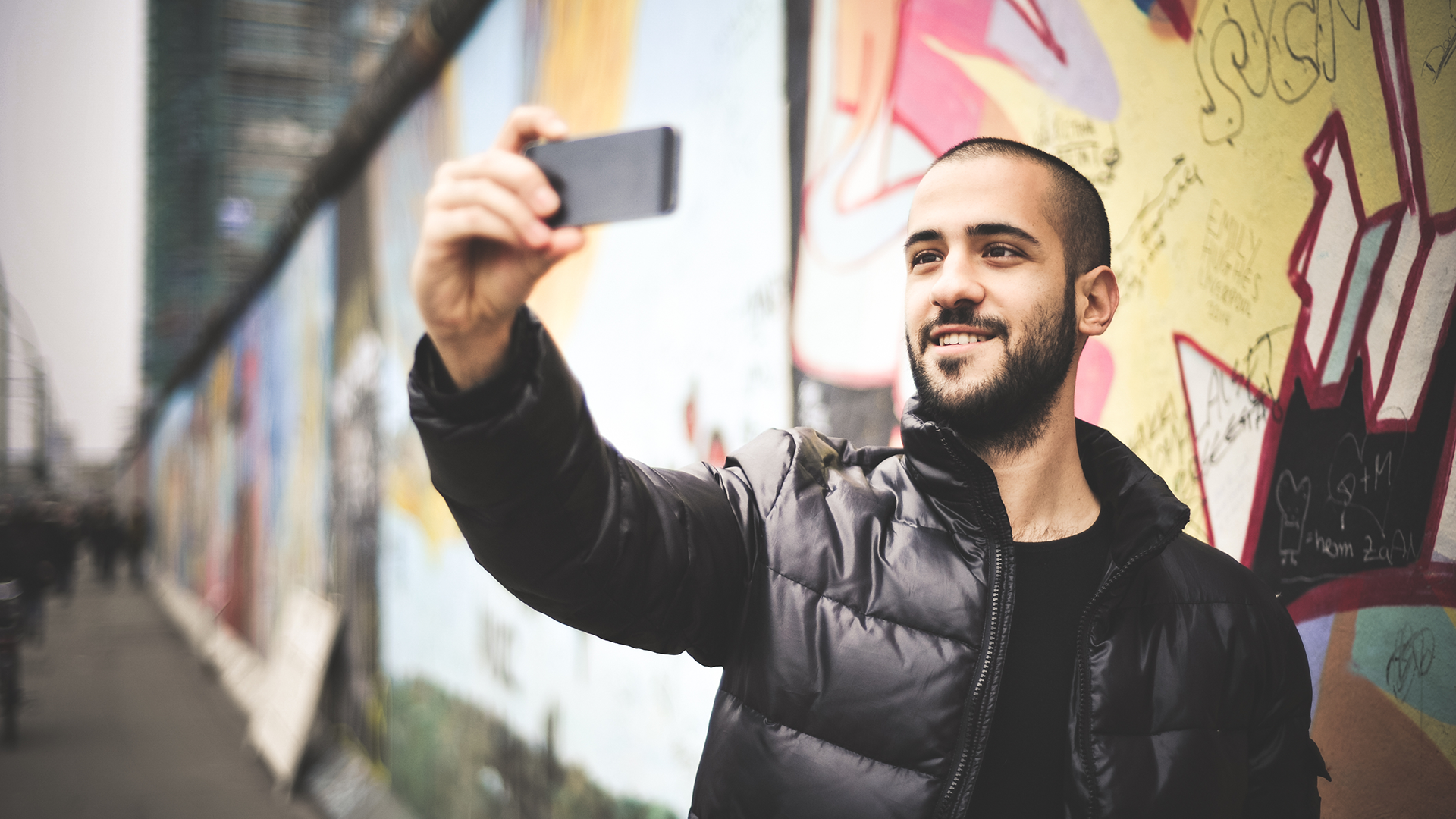
Also, the East Side Gallery, which is the longest piece of the wall turned into a huge outdoor art exhibit, is a study in public communication and post-Cold War identity. It transforms the former symbol of state-enforced silence and division into a huge, public canvas for collective expression, memorialising the past while celebrating democratic freedom.
The Wall is a frequent backdrop for espionage films, like “Bridge of Spies”. It also shows how real history is turned into drama for the screen.
Activities in Berlin beyond the syllabus
If your student group has a day or two away from the intensive curriculum, Berlin offers a few experiences that still feel creative and connected to the city's history and culture. These locations are perfect for relaxation, sightseeing, or just a fun day out away from the topic that they are studying.
Mauerpark on Sundays
On Sundays, from 9:00 AM to 6:00 PM, students can make time for a visit to Mauerpark (Wall Park) in the Prenzlauer Berg district. This interesting urban space, once part of the strict border separating East and West, now hosts the city’s most famous flea market.
It’s an ideal place to search for some souvenirs for friends and family or pick up some vintage or historical design items. The park is also famous for its open-air karaoke performance in the amphitheatre.
Tempelhofer Feld
Students can also visit Tempelhofer Feld, the massive former airport that is now one of the world's largest inner-city public parks. This site is instantly recognisable because of its airport design, and is still topically relevant with a rich media history. In fact, it was the hub of the 1948 Berlin Airlift, a critical moment often featured in films.
It's a perfect place for students to relax, but also an amazing location to grab a few memorable photos or even short filmmaking practice due to the vast, empty space and unique backdrop. It is open in the summer (June/July) from 6:00 AM to 11:00 PM, and in the winter (Dec/Jan) from 7:30 AM to 5:00 PM.
Teufelsberg
For an activity that mixes Cold War history with urban exploration, suggest a trip to Teufelsberg (Devil's Mountain). Accessible by a 30-40 minute uphill walk through the Grunewald Forest, this artificial hill is built from World War II debris. It features an abandoned US Army listening station, which is a literal Cold War spy outpost.
Its distinctive, peeling radar domes make it a fantastic, atmospheric location for a few more photos and general sightseeing. It’s a compelling, photogenic site for students interested in historical filming locations or the aesthetics of espionage media.
The StudyLink advantage for student film and media study tours to Berlin
Organising a film and media study tour requires careful planning to link all the sites that you visit to the specific topics that your students are studying. Here at StudyLink Tours, we specialise in making these university and college media studies trips to Berlin smooth and highly valuable to everyone involved.
We work closely with lecturers to build a travel plan that directly hits your course goals, making sure that every day maximises learning time and minimises travel stress.
From return flights and trusted accommodation to booking specialised studio tours and museum entries, we handle all the details. We even provide a dedicated Berlin representative for 24/7 on-tour assistance, allowing lecturers to focus entirely on teaching and engaging with students, knowing the trip logistics are fully managed.
Ready to explore the history and future of film and media in Berlin? Get in touch with us or request a quote to start planning your bespoke media studies trip to Berlin today!

